

 See My Latest Article on HelloNation
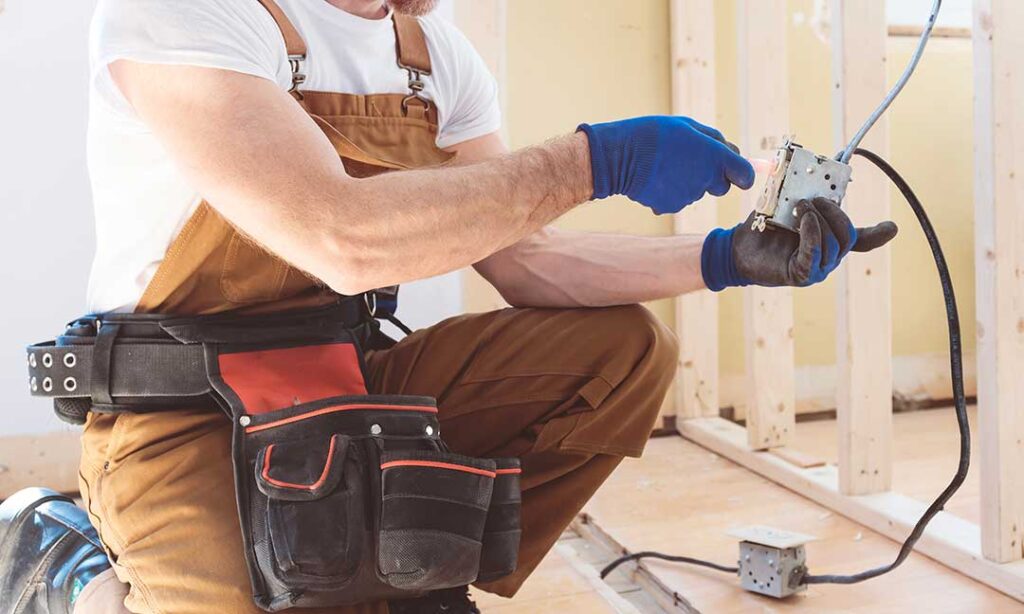
What Electrical Repairs Are Safe for Louisville, KY Homeowners to Attempt?
Simple electrical fixes within a typical Louisville home are usually within reach for residents who are comfortable following clear safety protocols. These tasks are generally low risk, do not require entering electrical panels, and can be completed with hand tools and protective equipment.
Examples of safe DIY electrical tasks:
- Replacing standard light bulbs and LED fixtures (not involving wiring)
- Resetting tripped breakers in the main panel if no damage is suspected
- Swapping out faceplates on outlets or light switches—no wiring changes
- Installing battery-powered smoke detectors
- Tightening loose screws on switches and outlets (with power off at the breaker)
Basic projects like these don't require moving wires or working on live circuits, making them manageable for area homeowners with a cautious approach. Always turn off power at the breaker and test with a non-contact voltage tester before touching any component.
What Are the Dangers of More Complex Electrical Repairs?
Any electrical repair that involves direct interaction with wiring, circuit breakers, or panels introduces a significant risk of electrical shock, fire, or damage to Louisville homes. The region’s mix of older housing stock and frequent seasonal storms means that hidden wiring issues—like deteriorated insulation or historical code violations—are not uncommon. Attempts to fix or upgrade wiring without experience can make these problems worse.
High-risk repairs to avoid without proper training:
- Installing or replacing electrical outlets or switches (if it involves rewiring)
- Changing light fixtures, ceiling fans, or appliances with hardwired connections
- Adding or altering circuits at the breaker panel
- Troubleshooting repeated breaker trips or extensive outlet failures
DIY mistakes in these areas may not only be dangerous but could also invalidate insurance claims or violate municipal codes if unpermitted.
Are There Local Codes That Affect What I Can Do Myself?
Louisville follows the Kentucky Building Code and adopted versions of the National Electrical Code (NEC), which set legal requirements for electrical work. While minor tasks like changing bulbs or faceplates are exempt, almost any wiring change—including replacing a standard outlet or switch—requires a permit and may require inspection. Only licensed electricians or homeowners completing work on their own primary residence may legally pull permits for most repairs.
Key code considerations:
- Never add, alter, or extend wiring systems in rental properties without the proper license
- Outdoor wiring, wet-area outlets, and kitchen circuits are subject to additional safety rules (like GFCI requirements)
- Older homes in the region may have grandfathered wiring, but any updates must meet current standards
Violating these rules can lead to fines or orders to remove unapproved work.
What Should I Check Before Starting a Small Electrical Project?
Before attempting any task, consider safety, necessary tools, and your comfort with each step. Even with minor jobs, skipping key steps increases risk.
Before beginning:
- Locate and clearly label the appropriate breaker for the circuit involved
- Double-check with a voltage tester that no electricity is flowing to fixtures or outlets
- Use insulated hand tools and wear rubber-soled shoes if working near grounded surfaces
- Make sure replacement parts (outlets, switches, bulbs) match the rating for your home’s circuit (typically 15 or 20 amps)
- Review the home’s electrical panel and official documents for any warnings about unusual wiring (such as aluminum wiring in a few local developments)

If at any moment the work seems confusing or reveals “mystery” wires, it’s time to stop.
Are There Electrical Tasks That Often Get Overlooked But Should Be Checked Regularly?
Yes—routine checks can help Louisville residents reduce fire risk, especially in older homes or after heavy weather cycles that are common in the region.
Tasks often overlooked:
- Testing ground fault circuit interrupter (GFCI) outlets, especially in kitchens, bathrooms, basements, and garages, using the “test” and “reset” buttons
- Inspecting extension cords and power strips for signs of fraying or overheating
- Checking for warm faceplates, flickering lights, or buzzing outlets, which could signal underlying trouble
- Ensuring outlets near water sources are GFCI-protected per code
Adding these basic checks to a seasonal home maintenance routine helps catch problems before they become unsafe.
How Do Louisville, KY Homeowners Know If Electrical Work Is Beyond DIY?
If a project calls for a new circuit, changes to existing wiring, or any troubleshooting inside the breaker box, it exceeds safe DIY boundaries for most area residents. This is particularly true due to the variety of housing ages and wiring standards found throughout the city—including knob-and-tube wiring in pre-1940s homes or multiple renovations across different eras.
Other signs the job should not be attempted alone:
- Unexplained power outages affecting part or all of the home
- Burning smells, charred outlets, or repeated blown fuses
- Projects that affect home resale or require inspection by a code official
- Uncertainty about which breaker controls a circuit, or inability to identify wires by color and function
- Any electrical work beyond basic fixture swaps in wet areas, outdoors, or kitchens
In these situations, safety and code compliance should always take priority.