

 See My Latest Article on HelloNation

Why Should Louisville, KY Residents Pay Attention to Electrical Warning Signs?
Spotting electrical problems early can prevent fire hazards, appliance damage, or power outages in your home. The seasonal storms, fluctuating temperatures, and older housing stock common in Louisville mean local residents may encounter a range of electrical issues, from outdated wiring to overloads. Taking warning signs seriously is essential for safety and peace of mind.
What Electrical Problems Are Most Common in Local Homes?
Older neighborhoods and mixed construction ages in the city result in varied electrical challenges. Homes built before modern electrical codes—or those with DIY repairs—can be more susceptible to:
- Outdated fuse boxes or ungrounded outlets
- Aluminum wiring, especially in homes built during the 1960s and 1970s
- Moisture issues in basements or crawl spaces affecting wiring insulation
Local weather extremes, including thunderstorms and humidity, can also stress home electrical systems, leading to corrosion or water intrusion near service panels.
Are Flickering Lights Always a Cause for Concern?
Occasional light flicker during a storm or when a large appliance starts isn’t usually alarming. Persistent or worsening flickering, however, may suggest loose wiring, overloaded circuits, or faulty fixtures. If lights dim when using everyday appliances, it could signal worn connections or panel capacity issues—especially in homes with recent renovations or added electronics.
Why Do Burning Odors or Warm Outlets Matter?
A burning smell near outlets, switches, or your electrical panel signals excessive heat—often caused by failing components or overloaded circuits. Likewise, outlets or switch plates that feel warm to the touch (except for certain dimmer switches) may signal unsafe wiring or poor connections. If a circuit breaker trips and you find heat or odor at the panel, that circuit should not be used until inspected.
What Should You Make of Buzzing or Crackling Sounds?
Buzzing, sizzling, or crackling noises from outlets, switches, or panels mean electricity is “arcing” between connections. This can happen due to loose screws, frayed wires, or deteriorating insulation. These sounds are critical warning signs, as electrical arcs can quickly cause fires behind walls or in attics.
What Do Frequent Breaker Trips or Blown Fuses Tell You?
Breakers and fuses are designed to protect your home by cutting power during an overload or short circuit. If a breaker trips or a fuse blows repeatedly—especially after resetting or replacing it—it’s a sign of underlying trouble. Overuse of outlet strips, outdated panels, or a specific appliance drawing too much current are common causes in local households. Continuous breaker problems can indicate an immediate safety issue.
When Are Outlet or Switch Problems a Warning?
Key issues to watch for include:
- Dead outlets or switches that suddenly stop working
- Outlets that spark, show scorch marks, or feel loose in the wall
- Plugs that no longer fit snugly or fall out easily
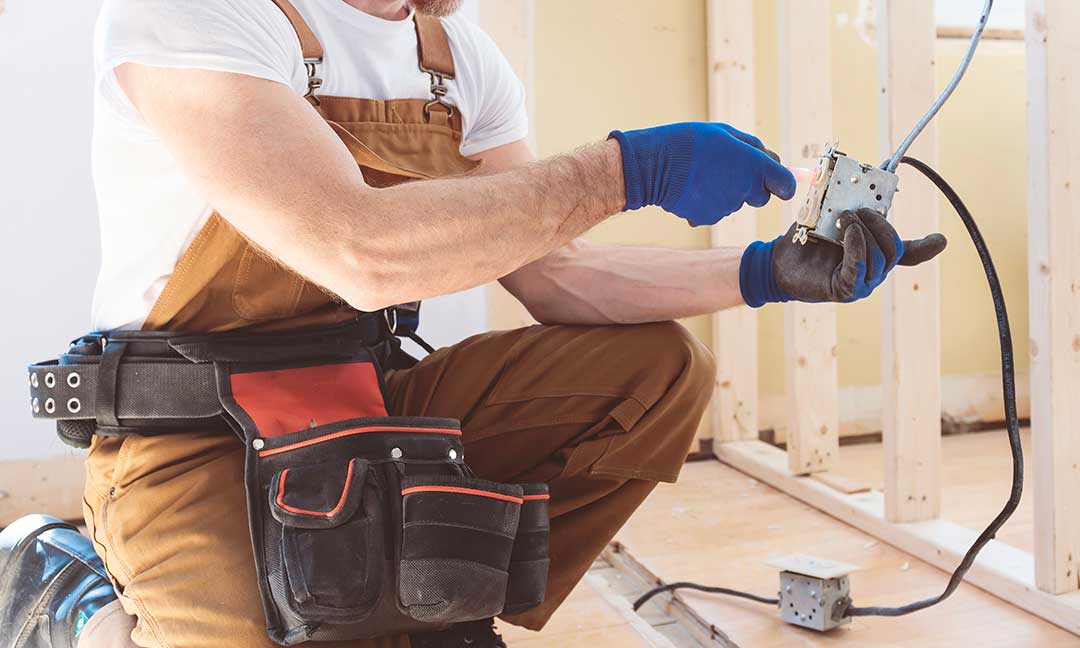
Local homes often have a mix of original and updated wiring. An outlet that slowly fails or emits a popping sound might mean internal damage or a failing connection that could overheat under regular use.
How Serious Are Rodent or Water-Related Electrical Issues?
Basements, crawl spaces, and attics—especially in older Louisville houses—can harbor pests or experience leaks. Chewed wires from rodents or water-damaged electrical components are significant fire and shock risks. Homeowners should never ignore evidence of animal intrusion or visible water near electrical connections.
Is Your Electrical Panel Telling You Something?
Your main service panel (breaker box) should always be free of rust, buzzing, heat, or unusual odors. Visible damage, scorch marks, or a panel that’s older than 30-40 years may need attention. Local homes with panels labeled as "fuse box" or panels lacking clear labeling for each circuit may be especially vulnerable to unnoticed overloads.
What Are Overlooked Warning Signs in Area Homes?
Some issues develop subtly but can have major consequences if left unresolved:
- Light bulbs burning out rapidly in certain fixtures may reveal excessive voltage or loose connections
- Switches that don’t reliably turn lights on/off
- Outlets without proper three-prong grounding in rooms where appliances or electronics are used heavily
These overlooked issues are common in neighborhoods with multiple remodels or home additions, where electrical systems have been extended or changed over the years.
When Should You Seek Professional Help?
Residents can investigate simple issues, such as replacing bulbs or checking if an appliance is faulty. For any sign involving heat, odor, sparking, persistent tripping, or panel damage, electrical safety codes require that repairs be performed by a qualified person. Unaddressed electrical problems risk personal injury, property loss, and, in some cases, may violate city housing safety regulations.