

 See My Latest Article on HelloNation
A storm-related outage can create several hazards at once: darkness, downed lines, spoiled food, carbon monoxide, electrical surges, and unsafe attempts to restore power. Residents in Louisville, KY should first protect people and pets, then determine whether the problem affects only the home or a larger area.
What should you do first after the electricity goes out?
Stay calm, keep everyone away from electrical hazards, and use flashlights rather than open flames. If the outage happens during severe weather, remain indoors until conditions improve unless the building itself is unsafe.
Start with these steps:
- Check whether the outage affects the whole home or only part of it.
- Look outside for downed wires, damaged utility equipment, sparks, smoke, or unusual buzzing.
- Turn off or unplug sensitive electronics if it is safe to do so.
- Keep refrigerators and freezers closed.
- Use flashlights, battery-powered lanterns, or charged portable lights.
- Check on household members who rely on powered medical equipment, mobility devices, heating, or cooling.
Do not touch a fallen wire, a tree touching a wire, a metal fence near a wire, or standing water that could be energized. Assume every downed electrical line is live, even if it appears damaged or quiet.
If there is fire, smoke, a burning odor, serious structural damage, or an immediate threat to life, leave the building if possible and contact emergency services from a safe location.
How can you tell whether the outage is inside the house?
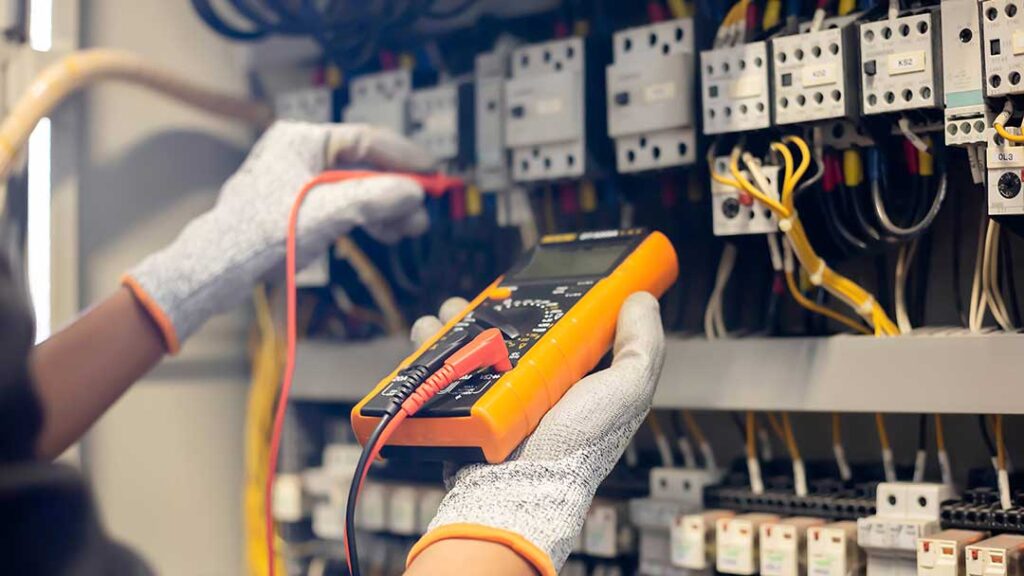
If nearby homes have power but your house does not, check the electrical panel only if the area is dry and there is no sign of damage, heat, smoke, or arcing. A tripped circuit breaker may affect one room or a portion of the home, while a main breaker or service problem can interrupt power throughout the house.
A few conditions require extra caution:
- The panel is wet or located in a flooded area.
- Breakers are hot, discolored, cracked, or repeatedly tripping.
- There is a burning smell or buzzing from the panel.
- Wires, outlets, or electrical equipment were exposed to water.
- The outage followed a lightning strike or visible damage to the service connection.
Do not repeatedly reset a breaker that trips again. Repeated tripping can indicate damaged wiring, an overloaded circuit, a failed appliance, or moisture in the electrical system. Water-damaged electrical components may remain dangerous even after they look dry.
If only one appliance or one outlet stopped working, unplug the appliance and check whether a ground-fault circuit interrupter has tripped. These protective outlets are commonly found in kitchens, bathrooms, laundry areas, garages, basements, and exterior locations. Resetting one may restore downstream outlets, but do not reset it if the outlet or surrounding area is wet or damaged.
Should you turn off the main breaker during a storm outage?
Not automatically. Leaving the main breaker on can help the home receive power when service returns, but switching it off may be appropriate if there is flooding, visible electrical damage, smoke, or a strong burning odor.
If the main breaker is turned off, keep clear of the panel and do not attempt to restore power until the electrical system has been inspected when damage or water exposure is suspected. Never operate a breaker while standing in water or touching wet surfaces.
Before power returns, turn off or unplug major loads such as space heaters, electric ranges, clothes dryers, pumps, and workshop equipment. This reduces the chance that many high-demand appliances will start at the same time and helps prevent unexpected operation while no one is nearby.
How should you use a generator during an outage?
A portable generator must be operated outdoors, far from doors, windows, vents, and attached garages. Carbon monoxide is an invisible, odorless gas that can build up indoors or in partially enclosed areas, even when the generator appears to be outside.
Never:
- Run a generator inside a home, basement, garage, shed, porch, or enclosed vehicle space.
- Connect a portable generator directly to a wall outlet.
- Use makeshift cords to energize house wiring.
- Refuel a hot generator.
- Operate a generator in rain unless it is protected by equipment approved for that purpose and has proper ventilation.
The safest temporary setup is to connect approved outdoor-rated extension cords directly to individual appliances, following the generator and appliance instructions. A generator connected to a building’s wiring requires a properly installed transfer system and correct grounding arrangements. Without those safeguards, electricity can flow backward onto lines that workers believe are de-energized.
Keep generators away from sleeping areas and install working carbon monoxide alarms on every level of the home, especially near sleeping spaces. A carbon monoxide alarm is not a substitute for safe generator placement.
What should you do about refrigerators and frozen food?
Keep refrigerator and freezer doors closed as much as possible. An unopened refrigerator can generally keep food cold for several hours, while a well-filled freezer may remain frozen considerably longer if it stays closed. The exact time depends on temperature, how full the appliance is, and how often the door is opened.
Do not taste food to determine whether it is safe. Discard perishable food that has been held at unsafe temperatures, developed an unusual odor, or was exposed to floodwater. Food touched by floodwater should not be considered safe simply because it is sealed in ordinary packaging.
After power returns, check refrigerators, freezers, sump pumps, well pumps, alarms, and other equipment before resuming normal use. A motor that hums, overheats, trips a breaker, or smells burned should be disconnected.
What electrical hazards are common after storms?
Storm damage can create less obvious dangers after the weather clears. Moisture may enter outlets, junction boxes, crawl spaces, basements, exterior receptacles, and service equipment. A circuit can appear normal while insulation, connections, or protective devices remain compromised.
Watch for:
- Flickering lights or partial power.
- Repeated breaker or ground-fault trips.
- Warm or discolored outlets.
- Buzzing, sizzling, or crackling sounds.
- Shocks from appliances, faucets, or metal surfaces.
- Water near electrical equipment.
- Damaged overhead or exterior wiring.
- A service mast, meter enclosure, or weatherhead pulled away from the structure.
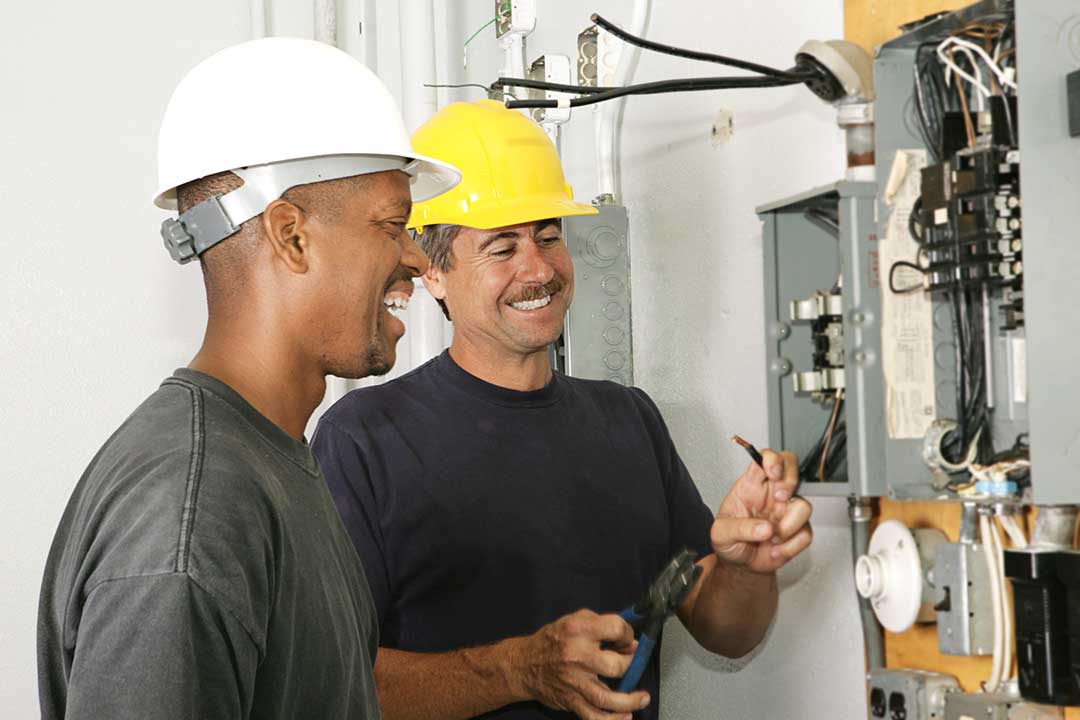
Do not remove a utility meter, cut a wire, dry wet electrical equipment with improvised methods, or enter a flooded area containing electrical components. These conditions require evaluation by qualified utility or electrical personnel because the hazard may extend beyond the visible damage.
How can households prepare before the next outage?
A small outage kit can make the first several hours safer and less stressful. Store it where it can be reached without electricity and include:
- Several flashlights or battery lanterns.
- Spare batteries and charging cables.
- A battery-powered radio.
- First-aid supplies.
- Drinking water and shelf-stable food.
- Manual can openers.
- Blankets and weather-appropriate clothing.
- Battery backups for phones and essential devices.
- A list of medications and emergency contacts.
- Carbon monoxide alarms with working batteries.
Louisville’s storms can bring strong wind, lightning, heavy rain, ice, and falling branches at different times of year. Homes with basements, sump pumps, older wiring, detached structures, or electrically powered heating and cooling may need additional planning. Test backup equipment before severe weather arrives, keep important documents accessible, and make sure every household member knows where the electrical panel and emergency supplies are located.
Understanding the difference between a utility outage, a tripped circuit, water-damaged equipment, and a dangerous service problem helps residents respond without creating a second emergency.