

 See My Latest Article on HelloNation

Why Do Breakers Trip in Louisville, KY Homes?
Breakers trip as a safety response to electrical issues such as overloaded circuits, short circuits, or ground faults. In area homes, frequent reasons include seasonal use of space heaters, window air conditioners, kitchen appliances, or aging wiring common in older neighborhoods. When a breaker trips, it prevents overheating and electrical fires by cutting off power to the affected circuit.
How Can You Tell If a Breaker Has Tripped?
You’ll usually notice loss of power in a particular area or to specific outlets. Electrical panels are typically in basements, laundry rooms, garages, or closets. Open the panel door and visually scan the row of breakers: a tripped breaker often sits in a middle or “off” position, neither fully on nor off, and may feel loose. Some breaker handles show a small colored indicator (often red or orange) when tripped.
What Should You Do Before Attempting a Reset?
First, unplug or switch off devices and appliances on the circuit. Resetting with everything still connected can risk repeating the problem or damaging some equipment. If a major appliance caused the trip, double-check that it’s not showing any warning signs (such as burning smell or visible damage). Make sure your hands are dry, and for added safety, wear rubber-soled shoes if standing on a basement floor or near water.
What’s the Safe Way to Reset a Breaker?
To safely reset a breaker:
- Stand to the side of the panel while keeping your face away from the breakers.
- Press the tripped breaker firmly to the “off” position first. This step is necessary to fully reset the internal mechanism.
- Next, push it to the “on” position until you hear or feel it click into place.
If power returns and stays on, you’ve handled the basic reset. Restore devices one at a time so you can spot any troublemakers.
What If the Breaker Won’t Stay On?
If the breaker immediately trips again or won’t reset:
- There may be a persistent electrical problem, such as faulty wiring, a failing appliance, or moisture in outlets.
- Leave the breaker off to avoid further risk.
- Never force a breaker to stay on or bypass it, as this is a serious fire hazard.
Local building codes and electrical safety standards require that repeated breaker trips be diagnosed before restoring circuit power. If the tripped breaker protects a major kitchen area, a dryer, or a heating system, keep the breaker off and avoid touching wires or attempting repairs.
Are There Unique Issues in Louisville Homes?
Many area homes built before the 1970s may have panels with older technology or outdated wiring that handle household loads differently. For instance, spring thunderstorms and severe humidity can contribute to moisture in basements, increasing the chance of ground faults. Larger air conditioning or heating units are also common sources of tripped breakers, especially during periods of extreme humidity or cold. Understanding your home’s electrical capacity—and avoiding the use of multiple high-wattage appliances on one circuit—can help prevent unnecessary trips.
What Are Common Mistakes to Avoid?
- Resetting the breaker repeatedly without addressing the cause can lead to equipment or wiring damage.
- Assuming a tripped breaker means a faulty breaker, rather than an overloaded or shorted circuit.
- Using extension cords or power strips as a workaround for a frequently tripping breaker.
- Ignoring a persistent burning smell, buzzing, or visible arcing at the panel.
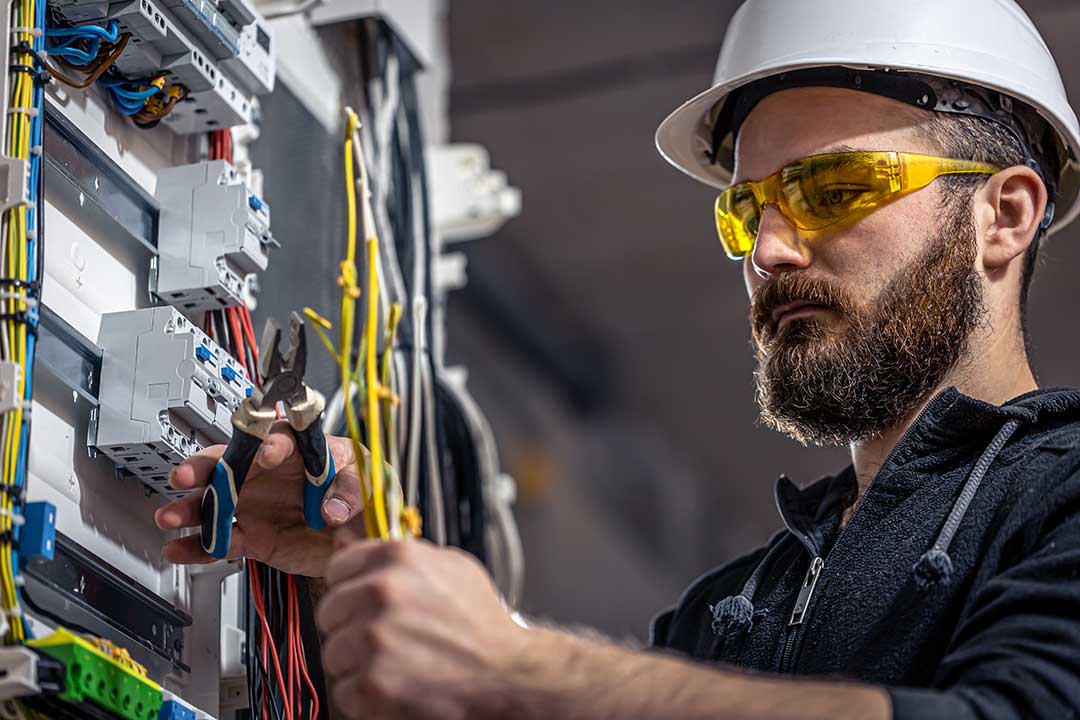
If you observe physical signs of damage in the panel (melted plastic, scorch marks, smoke), keep a safe distance and do not attempt a reset.
When Should You Seek Professional Help?
While most residents can safely reset a breaker after a minor overload, some situations do require qualified inspection:
- Breaker trips recur with no clear cause
- The breaker switch feels hot to the touch
- There is a visible spark, smoke, or burning odor
- Water is present around the panel or outlets
For homes with elderly or outdated panels, an electrician may be needed to evaluate the whole system for safety.
Can You Prevent Breaker Trips in the Future?
Most trips can be prevented by spreading out appliance use, checking wattage labels (especially on space heaters and window units), and avoiding large numbers of plugged-in devices on one circuit. During seasonal extremes, pay special attention to kitchen and laundry outlets. Regularly check cords for wear, and never run extension cords under rugs or through doorways, as this can increase resistance and risk overheating.