

 See My Latest Article on HelloNation
What Does It Mean When a Circuit Breaker Trips?
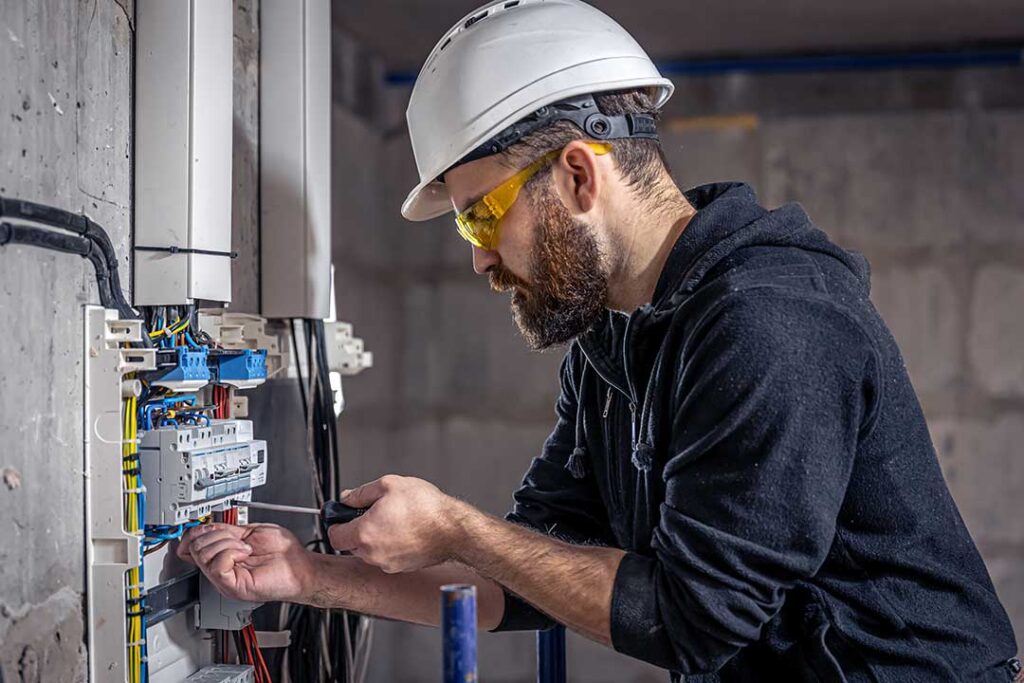
A circuit breaker tripping means it has automatically shut off electricity to part of your home. This built-in safety feature helps protect residents, electrical wiring, and appliances from damage caused by too much electrical current. If a breaker trips, it usually signals that something isn’t right in the electrical system.
Why Do Circuit Breakers Trip So Often in Local Homes?
Circuit breakers trip for a few key reasons, many of which are common in Louisville due to older homes, variable weather, and different wiring setups. The most frequent causes include:
- Overloaded circuits (too many devices using power at once)
- Short circuits (wires touching in ways they shouldn’t)
- Ground faults (electricity traveling outside normal paths)
- Faulty appliances or deteriorated wiring
Local homes, especially those built before the 1980s, can have circuits designed for lighter loads than today’s modern electronics require. Window air conditioners, portable heaters, and extra kitchen gadgets during the winter or summer can quickly overwhelm older circuits.
How Does Overloading Happen?
Overloading happens when more electrical devices are plugged into a circuit than it’s built to handle. For example: If several small appliances, space heaters, or power tools are used at once on the same outlet or room, the wiring heats up. The breaker senses this increase in current and flips off to prevent overheating.
Many older properties in Louisville have only one or two outlets per room, leading residents to use power strips and extension cords. While convenient, this can increase the risk of overloads. Even newer homes can have problems when outlets serve high-demand appliances like microwaves, hair dryers, or gaming computers alongside other devices.
What’s the Difference Between a Short Circuit and a Ground Fault?
A short circuit occurs when a hot wire touches another hot or neutral wire inside an outlet, switch, or fixture. This causes a sudden surge of electricity—like a shortcut—which the breaker instantly detects. Ground faults are similar, but here, the electricity escapes the intended wiring path, often through moisture, damaged insulation, or outdated fixtures.
These issues can happen in bathrooms, kitchens, basements, or garages—especially when wiring is exposed to humidity or water. In Louisville’s damp seasons, local basements and crawl spaces are prone to ground faults if outlets are not protected by Ground Fault Circuit Interrupter (GFCI) breakers.
Can Faulty Appliances Make a Breaker Trip?
Yes. Appliances with worn-out cords, aging internal parts, or hidden damage can cause both short circuits and ground faults. For example, a toaster with a frayed cord or a lamp with damaged wiring may cause the breaker to flip each time it’s used. Residents sometimes overlook this cause and reset breakers without realizing an appliance is to blame.
Testing appliances one at a time can help pinpoint the culprit. If the breaker trips only when a certain device is plugged in, that item likely needs repair or replacement.
Are There Seasonal Causes in Louisville That Affect Breaker Tripping?
Louisville homes experience wide temperature swings, humidity, and seasonal storms. During summer, window air conditioners and fans add strain to circuits. In winter, space heaters and electric blankets contribute to heavier usage. Storms can lead to surges or spikes that force breakers to activate. High humidity and basement moisture can increase the likelihood of ground faults, especially in older homes.
Residents who add holiday lights, pool pumps, or new electronics during specific seasons may unknowingly push circuits to their limits. Carefully balancing what’s powered on each circuit reduces nuisance tripping.
What Should Residents Check When a Breaker Keeps Tripping?
Before taking any action, ensure safety by turning off and unplugging devices on the affected circuit. Then consider:
- Has any new equipment been added to the room?
- Are extension cords or multi-plug adapters in heavy use?
- Does the problem happen only during certain weather or seasons?
- Is the wiring or outlet older, worn, or showing signs of damage?
- Have there been water leaks or excess humidity near electrical fixtures?
If no clear cause is found, or if there are scorch marks, buzzing, or smells near outlets, let a qualified electrician inspect the problem. Persistent tripping can indicate hidden hazards that need expert attention, especially in homes with outdated wiring.
Are All Breakers in a Home the Same?
No. Different breakers protect different circuits, usually labeled in the home’s electrical panel. Breakers come in various sizes (measured in amps); most common in Louisville homes are 15-amp or 20-amp breakers for standard outlets and lights, with larger ones for major appliances. It’s never safe to replace a tripped breaker with one rated for more amps, as this bypasses safety and risks fire.
Also, specialty breakers—like GFCI and Arc Fault Circuit Interrupters (AFCI)—add protection in kitchens, bathrooms, and bedrooms. These are code requirements in newer construction and important for safety in renovation projects.
What Are Common Misconceptions About Circuit Breaker Tripping?
Some residents believe a breaker that frequently trips is just “weak” or worn out. More often, the real reason is ongoing overloads, appliance issues, or wiring faults. Simply resetting the breaker doesn’t solve the underlying risk. Ignoring repeated tripping can eventually cause wiring to overheat or result in electric shock.
There’s also a belief that using more powerful breakers will “fix” nuisance trips. In reality, this disables protection—a leading cause of residential electrical fires. Circuit breakers should always match the wire size and expected usage of the circuit.
Why Does This Matter for Electric Safety in Local Households?
Breaker trips are designed to keep families and property safe. Addressing the reasons behind frequent trips reduces hazards and helps prevent costly repairs or emergencies. Knowing what causes breakers to trip—and how seasons, habits, and wiring age play a part—gives Louisville households confidence to use electricity responsibly while maintaining a safe home environment.