

 See My Latest Article on HelloNation
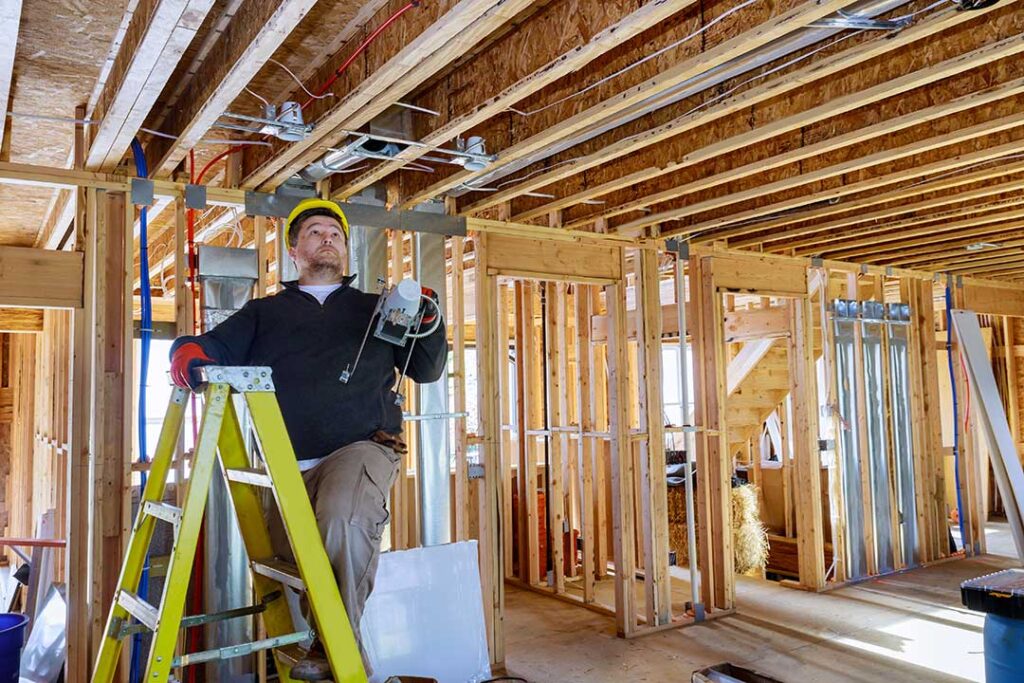
Why Do Lights Flicker in Louisville, KY Homes?
Lights that flicker and blink unexpectedly can create confusion or even worry for residents, especially in older neighborhoods with mature trees and variable weather. While some causes are relatively harmless, others may affect safety or indicate underlying electrical problems. Understanding the possible reasons can help local households make informed decisions and maintain peace of mind.
Could It Be a Simple Issue Like a Loose Bulb?
A loose light bulb is one of the most straightforward explanations. If a bulb isn't threaded all the way into its socket, the electrical contact can be inconsistent, leading to periodic flickers. This is especially common with table lamps and ceiling fixtures that may be bumped or receive frequent bulb changes. Turning off the power and reseating the bulb can often solve the problem.
Are You Using Compatible Light Bulbs and Fixtures?
Some newer and older bulb technologies don’t always mix well with certain fixtures or dimmer switches. For example:
- LED bulbs may flicker if paired with dimmer switches that weren't designed for LED compatibility.
- Fluorescent bulbs often blink when they’re warming up, especially if temperatures in basements or garages are cooler than recommended.
Checking both the bulb’s and fixture’s specifications—and using recommended combinations—can reduce these issues, particularly during the humid summers and freezing winters that the city often experiences.
Do Flickers Appear Throughout the Home?
If lights across multiple rooms flicker simultaneously, it may point to an issue beyond a single bulb or fixture. In Louisville’s neighborhoods with older infrastructure, this could relate to:
- Problems with the main electrical panel, such as loose terminal connections.
- Service drops affected by branches or aging connectors outside the home, especially after storms or strong winds.
- Fluctuations in the local utility supply, which can occasionally happen during peak weather events in the region.
These are signs that the underlying wiring or external service may need attention for safety and reliability.
Are Large Appliances Causing Lights to Blink?
It’s common for lights to dim or flicker momentarily when heavy appliances like air conditioners, heat pumps, or sump pumps start up. These devices draw significant current during their initial surge and may affect nearby lights, especially in homes with older wiring or limited electrical capacity.
This type of flicker is often brief, but if it happens persistently or worsens, it can be a sign that wiring, connections, or circuit loads need to be evaluated, especially in older houses or during periods of high seasonal demand.
Is the Flicker Linked to Weather or Outdoor Conditions?
Louisville’s climate brings strong thunderstorms, heavy seasonal winds, and tree-lined streets. These conditions can lead to flickering lights in a few ways:
- Overhead power lines may sway or come into contact with branches, causing brief interruptions.
- Moisture or water infiltration in outdoor fixtures, especially in basements or porches, can cause brief electrical shorts.
- Rapid temperature swings can cause metal connections in the panel or outlets to contract and loosen, sometimes resulting in intermittent flickering.
Repeated outdoor flickering may suggest an issue with the main service connection or vulnerable outdoor wiring.
Are Older Wiring and Panels a Common Cause?
Many homes in Louisville have wiring that dates back several decades. Older systems—such as knob-and-tube wiring or panels with outdated breakers—are more prone to causing flickering lights due to:

- Worn insulation or corroded connections
- Undersized wiring that can’t support modern loads
- Outdated fuses or breakers failing to maintain steady current
Residents in historic areas or homes that haven’t had electrical upgrades in many years are especially likely to experience these types of flickers.
Are Power Surges or Voltage Drops Involved?
Sudden, unpredictable surges from local utility lines—often after nearby construction or grid disturbances—can momentarily disrupt lighting throughout a home. Conversely, voltage drops, or “sags,” often occur when large devices kick on and temporarily sap the circuit of power.
Both scenarios can cause lights to blink rapidly or even dim for several seconds. Surges can sometimes damage sensitive electronics, so it’s wise to notice patterns and investigate further if they happen regularly.
Is It Safe to Ignore Flickering Lights?
Minor, infrequent flickers—such as those traced to a loose bulb or a single new appliance—may not signal a serious problem. However, repeated or large-scale flickering, associated with burning smells, warm outlets, discolored switches, or sparking, can indicate hazards such as:
- Overheating wires
- Loose breaker connections
- Potential fire risks
In these cases, addressing the cause quickly is vital to avoid further issues.
What Should Residents Do if Flickering Persists?
If basic troubleshooting steps—like reseating bulbs or matching the right dimmer—don’t resolve the issue, or if flickers affect multiple areas, worsen, or are accompanied by other warning signs, it’s best to stop using affected outlets or switches. Some flickering patterns can only be fully diagnosed by inspecting household wiring and connections for safety.
Awareness of local weather patterns, aging infrastructure, and the impact of modern electrical loads can empower Louisville households to distinguish between harmless blinks and situations that need professional attention. Practical monitoring and prompt action when signs escalate are key steps to ensuring a safe, comfortable home.